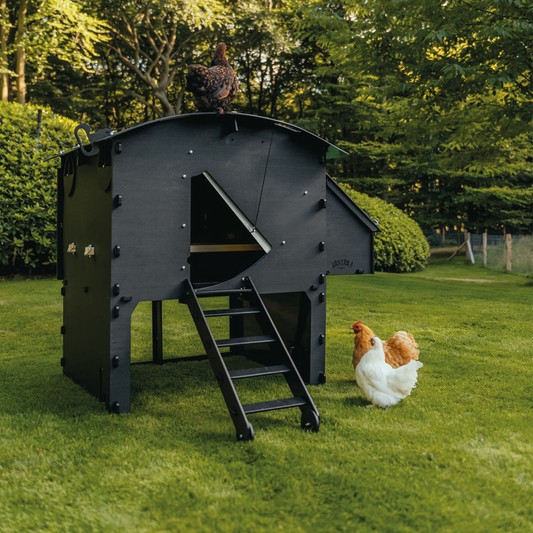
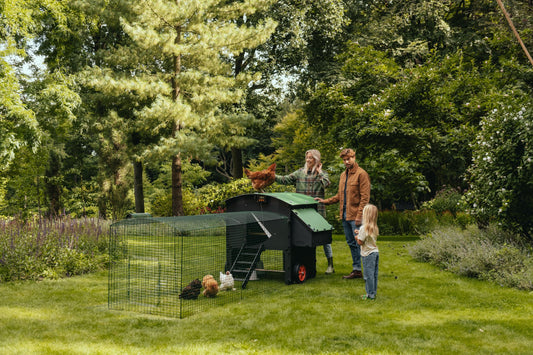
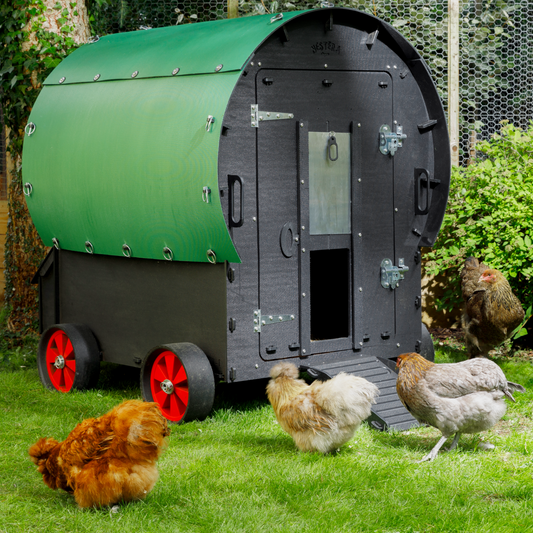
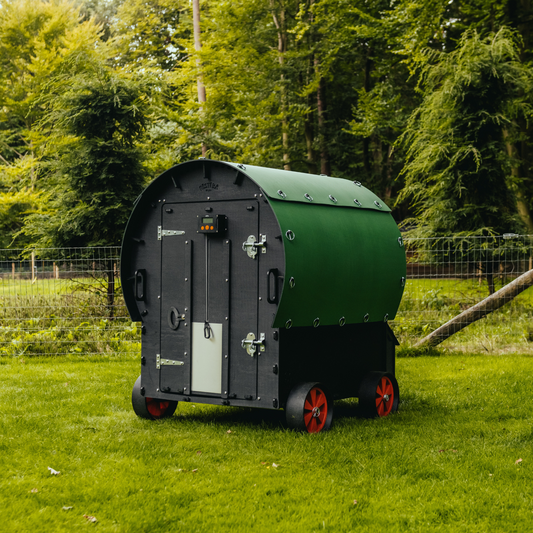
Deciding where to put a chicken coop is one of the first big choices you'll make as a new keeper, and getting it right makes daily care easier and keeps your flock healthier. The best place for a chicken coop is a spot with good drainage, partial shade, shelter from the prevailing wind, a little morning sun, level firm ground, easy access for you, and solid protection from predators.
Short answer: put your chicken coop on level, well-draining ground in partial shade, sheltered from the prevailing wind but catching gentle morning sun, close enough to the house for easy daily access and clear sight of the run, and a sensible distance from boundaries and neighbours.
What makes the best place for a chicken coop?
Before you settle on a location, walk your garden at different times of day and after heavy rain. The ideal spot brings together several factors, and the sections below work through each one so you can judge the best location for a chicken coop in your own garden.
Good drainage: avoid waterlogging
Any site you choose needs to be level and free-draining. Hens hate standing in a muddy, waterlogged run, and damp ground makes bedding harder to keep dry and raises the risk of foot problems. Avoid the lowest part of the garden where rainwater collects, and steer clear of areas that sit soggy for days after a downpour. Positioning the coop where roof runoff and surface water drain away keeps the floor and run far healthier all year round.
Partial shade and shelter from the prevailing wind
Chickens cope with cold far better than heat, so shade matters. Siting the coop near a tree, hedge or fence gives natural shade through the hottest part of the day. Remember that modern hens descend from jungle fowl that lived in highly vegetated areas, so they genuinely enjoy the cover and protection that trees and bushes provide. If you're lucky enough to have an orchard, that's close to perfect, and hens will happily clear up fallen fruit and the insects that damage it.
Just as important is shelter from the prevailing wind. A coop that takes the full force of cold, driving wind and rain will be draughty and uncomfortable. Use a hedge, wall or fence as a windbreak, and if your garden lacks any natural shade you can add sun sails to improve the overall environment. For more on getting the size and ventilation balance right, see our guide on how big a chicken coop should be.

Which way should a chicken coop face?
A little morning sun helps your hens wake up, warm up and get out to forage early, so it's worth thinking about which way the coop faces. Where you can, position the coop and its pop-hole door to catch gentle morning sun and to face away from the prevailing wind and the coldest, wettest aspect. In most UK gardens that means orienting the entrance towards the east or south-east, sheltering the back of the coop from north and west winds. The exact direction matters less than the principle: morning light in, harsh weather kept off the door.
Level, firm ground
Set the coop on ground that is level and firm so it sits squarely, drains properly and doesn't rock or sink over time. A patch that stays solid in wet weather is far better than soft lawn that turns to mud. A firm base also makes cleaning quicker and stops the coop and run shifting out of line. If you only have soft ground, a level area of slabs, hardstanding or compacted gravel gives a stable, easy-to-clean foundation.
Easy access and visibility for you
The best location for a chicken coop in the garden isn't only about the hens, it's about you too. You'll tend your flock at least once a day to top up food and water, collect eggs, and open or close the door if you don't have an automatic door opener. Choose a spot you can reach easily, ideally from a path rather than across wet grass, so the daily routine stays quick and pleasant in every season.
Position the coop where you can see it clearly from the house, too. Good visibility means you'll enjoy watching your hens more and, crucially, you'll spot health or predator problems far sooner. An automatic coop door takes the early starts and late nights out of the routine and adds another layer of predator protection, opening at dawn and closing securely at dusk.

Distance from the house, boundaries and neighbours
It's tempting to tuck the coop at the very far end of a large garden, but out of sight can be out of mind. Keep it close enough that daily care feels effortless and you can keep an eye on things. At the same time, leave a sensible gap from your house, fences and your neighbours' boundary. A little distance helps with noise, smell and tidiness, keeps the peace next door, and gives you room to work all the way around the coop when cleaning. A movable coop gives you the flexibility to fine-tune that balance and rest the ground underneath.
Protection from predators
Where you site the coop has a big effect on how safe your hens are. Avoid placing it right next to compost bins or log piles. Rodents love food waste and warmth, so they often nest in compost heaps when there's a food source nearby, and easy access to spilt feed encourages vermin and attracts the predators that follow them.
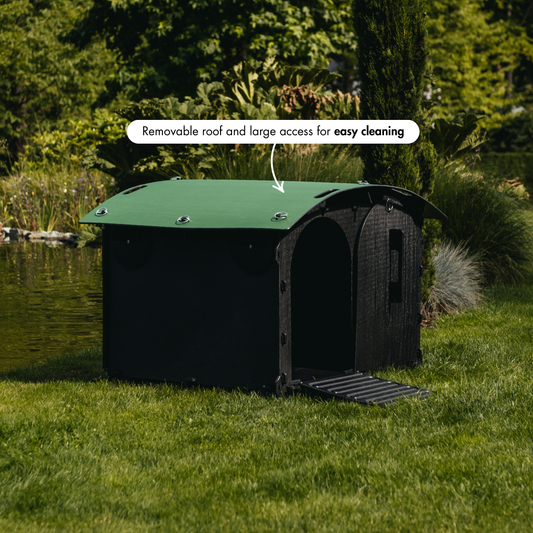
Keep things tidy to stay one step ahead: only put out a day's ration at a time, always use a hopper or small trough, never scatter food for hens to find, and remove the feeder at dusk. A secure run adds vital protection, especially overnight and during the day when you're out. A smooth, easy-clean coop helps too, because a recycled-plastic coop has no timber cracks for red mite to hide in, unlike a wooden one. For settling birds in safely, see our guide on the best time to put chickens in the coop.
Free-ranging versus a fixed run
If you plan to let your chickens free-range, easy access to grass or wooded areas is vital. Bear in mind that hens will wander onto patios and decking, which some keepers would rather avoid because of the mess. Free-range birds need a secure coop to return to and reliable shutting-up at night.
If you keep chickens in a fixed run or aviary, grass is trickier to maintain because it's eaten and scratched up quickly. Even when birds find some minerals by foraging, it's important to combine this with a balanced diet. Many keepers use wood shavings in the run, and if you do, make sure the run is sufficiently covered so the shavings stay dry. A covered, well-drained run keeps the ground usable in all weather and ties back to that all-important drainage.

Frequently asked questions
Where is the best place for a chicken coop in the garden?
On level, well-draining ground in partial shade, sheltered from the prevailing wind but catching some morning sun, close to the house for easy daily access and good visibility, and a sensible distance from boundaries and neighbours.
Which way should a chicken coop face?
Where possible, face the coop and its pop-hole door towards the morning sun and away from the prevailing wind and the coldest aspect, which in most UK gardens means an easterly or south-easterly entrance with the back sheltered from north and west winds.
Should a chicken coop be in sun or shade?
Aim for partial shade. Chickens cope with cold better than heat, so they need shade during the hottest part of the day, ideally with a little gentle morning sun to help them get going.
How far should a chicken coop be from the house?
Close enough for easy daily care and clear visibility, but with a sensible gap from your house, fences and neighbours for tidiness, smell and noise. A movable coop lets you adjust the distance and rest the ground beneath it.
Ready to choose your coop?
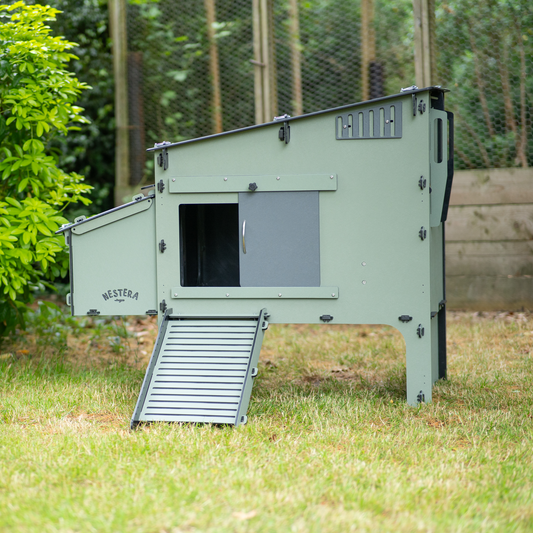
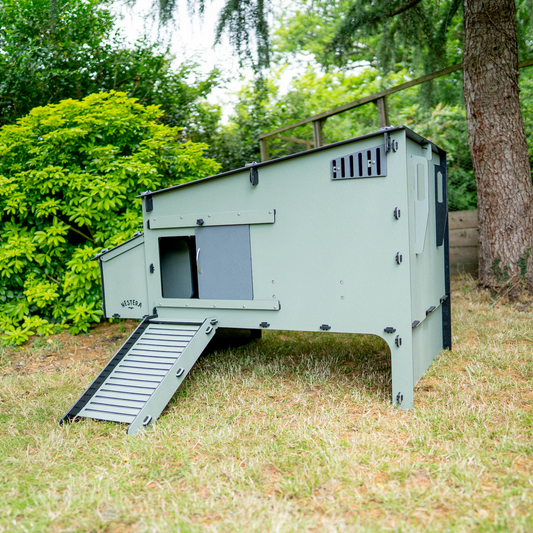
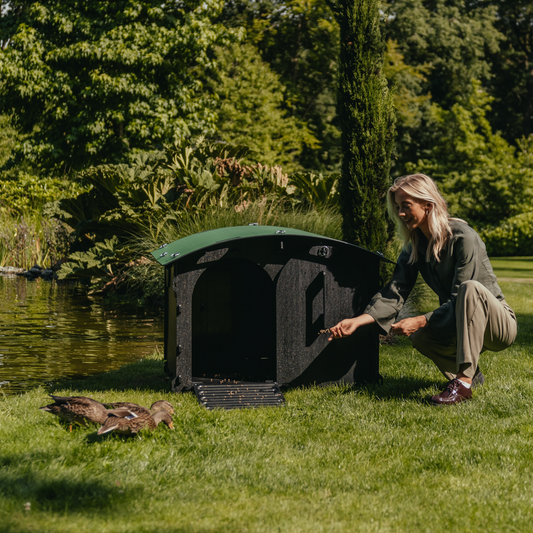
Once you've found the best place for your chicken coop, the right coop makes everything easier. Our recycled-plastic chicken coops are smooth and quick to clean with no cracks for red mite, built to last and easy to reposition if you want to move them to fresh ground. Pair one with a secure run and an automatic door opener, and your flock will be safe, sheltered and happy wherever you site them. Happy chicken keeping!